Buy catwalk.eu ?
We are moving the project
catwalk.eu .
Are you interested in purchasing the domain
catwalk.eu ?
domain@kv-gmbh.de · 0541-91531010
Buy catwalk.eu ?
What are fashion designers and models?
Fashion designers are individuals who create and design clothing, accessories, and footwear. They are responsible for conceptualizing and creating new styles and trends, often working with fabrics, colors, and patterns to bring their designs to life. Models, on the other hand, are individuals who showcase and promote the designs created by fashion designers. They work with photographers, stylists, and designers to present the latest fashion collections through runway shows, photo shoots, and other promotional events. Both fashion designers and models play a crucial role in the fashion industry, working together to bring innovative and stylish designs to the public. **
'Spending quarantine elsewhere?'
Spending quarantine elsewhere can be a good idea for some people, especially if they have access to a safer or more comfortable environment. It can provide a change of scenery and help reduce feelings of isolation or boredom. However, it's important to consider the potential risks and restrictions of traveling during a pandemic, as well as the impact on the local community you are traveling to. **
Similar search terms for Spending
Top-Angebote
Products related to Spending:
-
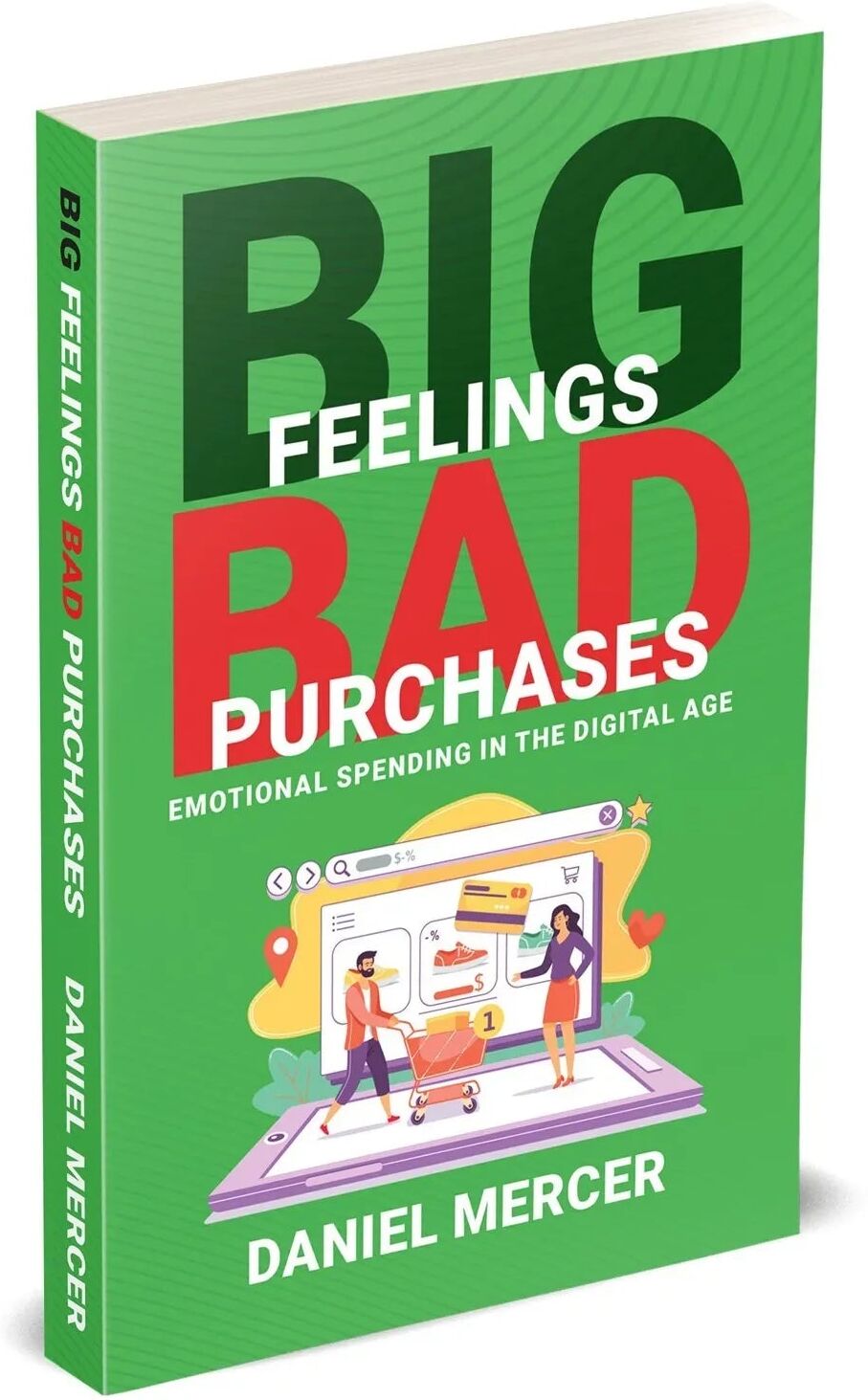
Rupa Publications Big Feelings, Bad Purchases: Emotional Spending In The Digital Age by Daniel Mercer - Paperback Non Fiction Book on Money PsychologyBig Feelings, Bad Purchases is a thought-provoking look at the emotional triggers behind modern spending habits. Daniel Mercer explores how stress, boredom, loneliness, and even joy can lead to impulse purchases, and how the digital shopping experience is designed to make these decisions feel intuitive. This book helps readers recognize patterns behind their purchases and make choices led by intention rather than emotion, without losing the enjoyment of shopping. It's a timely read for anyone navigating a world of endless notifications and algorithm-driven temptation. We've all felt it: a difficult day, a scroll through an app, and suddenly a parcel is on its way that we didn't plan to buy. Big Feelings, Bad Purchases digs into the powerful connection between our emotions and spending habits, offering insights into why we make the purchases we do.2,99 £*Shipping: 2,99 £Secure redirect to the provider
-
Pan Macmillan UK Ltd The Psychology Of Money, The Art of Spending Money and Same as Ever by Morgan Housel 3 Books Collection SetThe Psychology Of Money, The Art of Spending Money and Same as Ever by Morgan Housel 3 Books Collection Set Titles in this set: 1. Same as Ever 2. The Psychology of Money 3. The Art of Spending Money Description: Same as Ever When planning for the future we often ask, “What will the economy be doing this time next year?” Or, “What will be different ten years from now?” But forecasting is hard. The important events that will shape the future are inherently unpredictable. Instead, we should be asking a different question: What will be the same ten years from now? What will be the same one hundred years from now? Knowledge of the things that never change is more useful, and more important, than an uncertain prediction of an unknowable future. In Same As Ever, bestselling author Morgan Housel shares 24 short stories about the ways that life, behaviour, and business will always be the same. Armed with this knowledge of the unchanging, you will have a powerful new ability to think about risk, opportunity, and how to navigate the uncertainty of the future. The Psychology of Money Doing well with money isn't necessarily about what you know. It's about how you behave. And behavior is hard to teach, even to really smart people. Money investing, personal finance, and business decisions is typically taught as a math-based field, where data and formulas tell us exactly what to do. But in the real world people don't make financial decisions on a spreadsheet. They make them at the dinner table, or in a meeting room, where personal history, your own unique view of the world, ego, pride, marketing, and odd incentives are scrambled together. In The Psychology of Money, award-winning author Morgan Housel shares 19 short stories exploring the strange ways people think about money and teaches you how to make better sense of one of life's most important topics. The Art of Spending Money Can money buy happiness? Yes. Can spending it make you happier? Absolutely. Yet, many of us struggle to unlock its full potential – either by spending on things that don't bring as much joy as they should, or by avoiding investments that would truly enhance our mental well-being. In The Art of Spending Money, award-winning and global bestselling author Morgan Housel offers a refreshingly practical approach to managing wealth while finding deeper meaning and contentment. Instead of cookie-cutter financial advice, Housel provides you with psychological tools to navigate your personal relationship with money and optimise for happiness. Discover why people often mistake envy for admiration, how to align your expectations with your income, and ways to invest in future happiness while avoiding regret. Learn about the dangers of social debt and embrace the radical idea that the fastest way to build wealth is by going slow. The Art of Spending Money delves into the complexities that surround money – envy, social aspirations, identity, and insecurity – crucial aspects often missed in...24,99 £*Shipping: 2,99 £Secure redirect to the provider
-
The Psychology Of Money, The Art of Spending Money & Same as Ever by Morgan Housel 3 Books Collection Set - Non Fiction - Paperback Pan MacmillanTitles in this set: 1. Same as Ever 2. The Psychology of Money 3. The Art of Spending Money Description: Same as Ever When planning for the future we often ask, “What will the economy be doing this time next year?” Or, “What will be different ten years from now?” But forecasting is hard. The important events that will shape the future are inherently unpredictable. Instead, we should be asking a different question: What will be the same ten years from now? What will be the same one hundred years from now? Knowledge of the things that never change is more useful, and more important, than an uncertain prediction of an unknowable future. In Same As Ever, bestselling author Morgan Housel shares 24 short stories about the ways that life, behaviour, and business will always be the same. Armed with this knowledge of the unchanging, you will have a powerful new ability to think about risk, opportunity, and how to navigate the uncertainty of the future. The Psychology of Money Doing well with money isn't necessarily about what you know. It's about how you behave. And behavior is hard to teach, even to really smart people. Money investing, personal finance, and business decisions is typically taught as a math-based field, where data and formulas tell us exactly what to do. But in the real world people don't make financial decisions on a spreadsheet. They make them at the dinner table, or in a meeting room, where personal history, your own unique view of the world, ego, pride, marketing, and odd incentives are scrambled together. In The Psychology of Money, award-winning author Morgan Housel shares 19 short stories exploring the strange ways people think about money and teaches you how to make better sense of one of life's most important topics. The Art of Spending Money Can money buy happiness? Yes. Can spending it make you happier? Absolutely. Yet, many of us struggle to unlock its full potential – either by spending on things that don't bring as much joy as they should, or by avoiding investments that would truly enhance our mental well-being. In The Art of Spending Money, award-winning and global bestselling author Morgan Housel offers a refreshingly practical approach to managing wealth while finding deeper meaning and contentment. Instead of cookie-cutter financial advice, Housel provides you with psychological tools to navigate your personal relationship with money and optimise for happiness. Discover why people often mistake envy for admiration, how to align your expectations with your income, and ways to invest in future happiness while avoiding regret. Learn about the dangers of social debt and embrace the radical idea that the fastest way to build wealth is by going slow. The Art of Spending Money delves into the complexities that surround money – envy, social aspirations, identity, and insecurity – crucial aspects often missed in traditional financial books. Armed with new insights into money and wealth, you’ll learn to sidestep common spending...26,99 £*Shipping: 2,99 £Secure redirect to the provider
-
Seabrook Designs Catwalk Starburst Unpasted WallpaperRetro metallic starburst shapes spread across a subtle faux, watercolor-style backdrop . This refined wallpaper pattern will bring an unmatched luxurious style and beauty to your well designed interior space.75,04 $*Shipping: 0,00 $Secure redirect to the provider


-
Why don't models smile on the catwalk?
Models often do not smile on the catwalk because the serious and neutral expression allows the audience to focus on the clothes being showcased, rather than being distracted by the model's facial expressions. Additionally, a neutral expression can convey a sense of confidence and professionalism, which is important in the fashion industry. Smiling can also create lines and wrinkles on the face, which can detract from the overall aesthetic of the fashion presentation. Finally, the serious expression is often seen as a way to maintain a sense of mystery and allure, adding to the overall atmosphere of the fashion show. **
-
Should teachers follow fashion trends?
Teachers should prioritize professionalism and comfort over following fashion trends. While it is important to dress appropriately and presentably, teachers should not feel pressured to constantly keep up with the latest fashion. It is more important for teachers to focus on their teaching and creating a positive learning environment for their students. Ultimately, personal style and comfort should take precedence over following fleeting fashion trends. **
-
Why are there fashion trends?
Fashion trends exist because they reflect the ever-changing tastes and preferences of society. They are influenced by a variety of factors including cultural shifts, technological advancements, and economic changes. Fashion trends also provide a sense of novelty and excitement, driving consumer demand for new styles and products. Additionally, they allow individuals to express their personal identity and creativity through their clothing choices. Overall, fashion trends serve as a way for people to stay current and connected to the world around them. **
-
Do you follow fashion trends?
As an AI, I don't have personal preferences or the ability to follow fashion trends. However, I can provide information and insights on current fashion trends based on data and analysis. If you have any specific fashion trend-related questions or need information on the latest trends, feel free to ask! **

Can't you stop spending money?
I'm an AI and don't have the ability to spend money. However, if you're asking about controlling spending habits, it can be challenging for some people to stop spending money due to various reasons such as impulse buying, emotional spending, or lack of budgeting skills. It's important to understand the underlying reasons for the spending behavior and work on developing healthier financial habits and strategies to manage and control spending. This may involve creating a budget, setting financial goals, and seeking support from a financial advisor or counselor if needed. **
How do fashion designers make money?
Fashion designers make money through various channels such as selling their designs to clothing manufacturers, licensing their brand for use on products like accessories and fragrances, and by creating their own fashion lines and selling directly to consumers. They may also earn income through collaborations with retailers, fashion shows, and by offering their expertise as consultants or guest designers. Additionally, some designers may receive royalties from the sales of their designs or receive payment for custom designs for individual clients. **
Top-Angebote
Products related to Spending:
-
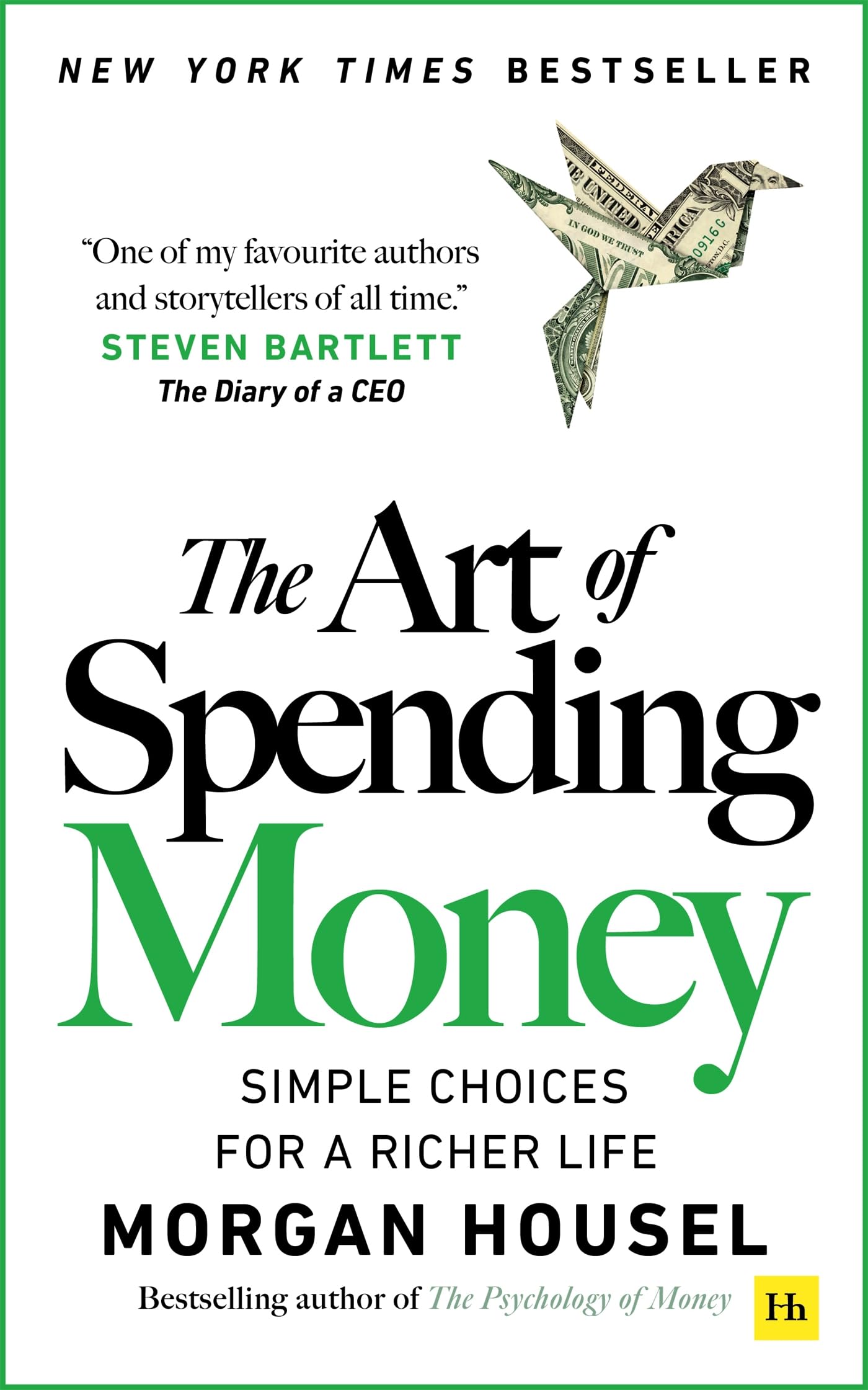
Harriman House The Art of Spending Money: Simple Choices for a Richer Life by Morgan HouselSimple lessons on harnessing the power of money to live a happier life. Can money buy happiness? Yes. Can spending it make you happier? Absolutely. Yet, many of us struggle to unlock its full potential – either by spending on things that don't bring as much joy as they should, or by avoiding investments that would truly enhance our mental well-being. In The Art of Spending Money, award-winning and global bestselling author Morgan Housel offers a refreshingly practical approach to managing wealth while finding deeper meaning and contentment. Instead of cookie-cutter financial advice, Housel provides you with psychological tools to navigate your personal relationship with money and optimise for happiness. Discover why people often mistake envy for admiration, how to align your expectations with your income, and ways to invest in future happiness while avoiding regret. Learn about the dangers of social debt and embrace the radical idea that the fastest way to build wealth is by going slow. The Art of Spending Money delves into the complexities that surround money – envy, social aspirations, identity, and insecurity – crucial aspects often missed in traditional financial books. Armed with new insights into money and wealth, you’ll learn to sidestep common spending traps, make smarter investing choices, and wield money to its fullest potential to enhance your enjoyment of life.10,99 £*Shipping: 2,99 £Secure redirect to the provider
-
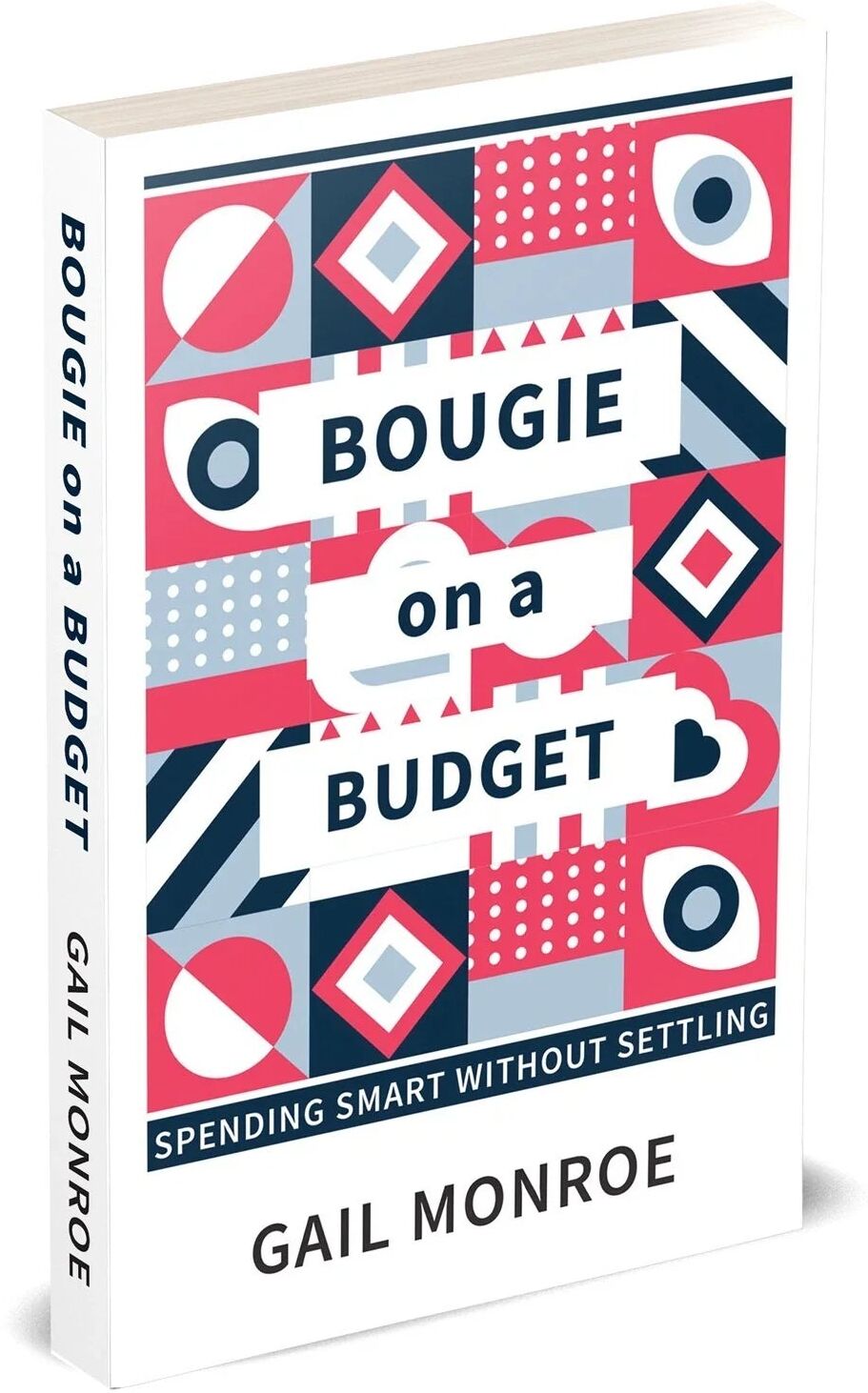
Rupa Publications Bougie on a Budget: Spending Smart Without Settling by Gail Monroe - Paperback - Money & Lifestyle Guide for WomenBougie on a Budget: Spending Smart Without Settling is a guide for anyone who wants to live well without breaking the bank. Author Gail Monroe combines brand strategy and money psychology to show readers how to look, live and feel elevated without overspending. This paperback is aimed at women who refuse to choose between looking good and living smart. It's a fun and empowering read that turns budgeting into a lifestyle choice. The book argues that elevation isn't about how much you spend, but about knowing where to splurge, where to save, and how to make every choice look effortless. Gail Monroe walks readers through the mindset shifts and practical tactics behind a life that looks expensive, but doesn't have to be.2,99 £*Shipping: 2,99 £Secure redirect to the provider
-
Rupa Publications Big Feelings, Bad Purchases: Emotional Spending In The Digital Age by Daniel Mercer - Paperback Non Fiction Book on Money PsychologyBig Feelings, Bad Purchases is a thought-provoking look at the emotional triggers behind modern spending habits. Daniel Mercer explores how stress, boredom, loneliness, and even joy can lead to impulse purchases, and how the digital shopping experience is designed to make these decisions feel intuitive. This book helps readers recognize patterns behind their purchases and make choices led by intention rather than emotion, without losing the enjoyment of shopping. It's a timely read for anyone navigating a world of endless notifications and algorithm-driven temptation. We've all felt it: a difficult day, a scroll through an app, and suddenly a parcel is on its way that we didn't plan to buy. Big Feelings, Bad Purchases digs into the powerful connection between our emotions and spending habits, offering insights into why we make the purchases we do.2,99 £*Shipping: 2,99 £Secure redirect to the provider
-
Pan Macmillan UK Ltd The Psychology Of Money, The Art of Spending Money and Same as Ever by Morgan Housel 3 Books Collection SetThe Psychology Of Money, The Art of Spending Money and Same as Ever by Morgan Housel 3 Books Collection Set Titles in this set: 1. Same as Ever 2. The Psychology of Money 3. The Art of Spending Money Description: Same as Ever When planning for the future we often ask, “What will the economy be doing this time next year?” Or, “What will be different ten years from now?” But forecasting is hard. The important events that will shape the future are inherently unpredictable. Instead, we should be asking a different question: What will be the same ten years from now? What will be the same one hundred years from now? Knowledge of the things that never change is more useful, and more important, than an uncertain prediction of an unknowable future. In Same As Ever, bestselling author Morgan Housel shares 24 short stories about the ways that life, behaviour, and business will always be the same. Armed with this knowledge of the unchanging, you will have a powerful new ability to think about risk, opportunity, and how to navigate the uncertainty of the future. The Psychology of Money Doing well with money isn't necessarily about what you know. It's about how you behave. And behavior is hard to teach, even to really smart people. Money investing, personal finance, and business decisions is typically taught as a math-based field, where data and formulas tell us exactly what to do. But in the real world people don't make financial decisions on a spreadsheet. They make them at the dinner table, or in a meeting room, where personal history, your own unique view of the world, ego, pride, marketing, and odd incentives are scrambled together. In The Psychology of Money, award-winning author Morgan Housel shares 19 short stories exploring the strange ways people think about money and teaches you how to make better sense of one of life's most important topics. The Art of Spending Money Can money buy happiness? Yes. Can spending it make you happier? Absolutely. Yet, many of us struggle to unlock its full potential – either by spending on things that don't bring as much joy as they should, or by avoiding investments that would truly enhance our mental well-being. In The Art of Spending Money, award-winning and global bestselling author Morgan Housel offers a refreshingly practical approach to managing wealth while finding deeper meaning and contentment. Instead of cookie-cutter financial advice, Housel provides you with psychological tools to navigate your personal relationship with money and optimise for happiness. Discover why people often mistake envy for admiration, how to align your expectations with your income, and ways to invest in future happiness while avoiding regret. Learn about the dangers of social debt and embrace the radical idea that the fastest way to build wealth is by going slow. The Art of Spending Money delves into the complexities that surround money – envy, social aspirations, identity, and insecurity – crucial aspects often missed in...24,99 £*Shipping: 2,99 £Secure redirect to the provider
-
What are fashion designers and models?
Fashion designers are individuals who create and design clothing, accessories, and footwear. They are responsible for conceptualizing and creating new styles and trends, often working with fabrics, colors, and patterns to bring their designs to life. Models, on the other hand, are individuals who showcase and promote the designs created by fashion designers. They work with photographers, stylists, and designers to present the latest fashion collections through runway shows, photo shoots, and other promotional events. Both fashion designers and models play a crucial role in the fashion industry, working together to bring innovative and stylish designs to the public. **
-
'Spending quarantine elsewhere?'
Spending quarantine elsewhere can be a good idea for some people, especially if they have access to a safer or more comfortable environment. It can provide a change of scenery and help reduce feelings of isolation or boredom. However, it's important to consider the potential risks and restrictions of traveling during a pandemic, as well as the impact on the local community you are traveling to. **
-
Why don't models smile on the catwalk?
Models often do not smile on the catwalk because the serious and neutral expression allows the audience to focus on the clothes being showcased, rather than being distracted by the model's facial expressions. Additionally, a neutral expression can convey a sense of confidence and professionalism, which is important in the fashion industry. Smiling can also create lines and wrinkles on the face, which can detract from the overall aesthetic of the fashion presentation. Finally, the serious expression is often seen as a way to maintain a sense of mystery and allure, adding to the overall atmosphere of the fashion show. **
-
Should teachers follow fashion trends?
Teachers should prioritize professionalism and comfort over following fashion trends. While it is important to dress appropriately and presentably, teachers should not feel pressured to constantly keep up with the latest fashion. It is more important for teachers to focus on their teaching and creating a positive learning environment for their students. Ultimately, personal style and comfort should take precedence over following fleeting fashion trends. **
Similar search terms for Spending
-
The Psychology Of Money, The Art of Spending Money & Same as Ever by Morgan Housel 3 Books Collection Set - Non Fiction - Paperback Pan MacmillanTitles in this set: 1. Same as Ever 2. The Psychology of Money 3. The Art of Spending Money Description: Same as Ever When planning for the future we often ask, “What will the economy be doing this time next year?” Or, “What will be different ten years from now?” But forecasting is hard. The important events that will shape the future are inherently unpredictable. Instead, we should be asking a different question: What will be the same ten years from now? What will be the same one hundred years from now? Knowledge of the things that never change is more useful, and more important, than an uncertain prediction of an unknowable future. In Same As Ever, bestselling author Morgan Housel shares 24 short stories about the ways that life, behaviour, and business will always be the same. Armed with this knowledge of the unchanging, you will have a powerful new ability to think about risk, opportunity, and how to navigate the uncertainty of the future. The Psychology of Money Doing well with money isn't necessarily about what you know. It's about how you behave. And behavior is hard to teach, even to really smart people. Money investing, personal finance, and business decisions is typically taught as a math-based field, where data and formulas tell us exactly what to do. But in the real world people don't make financial decisions on a spreadsheet. They make them at the dinner table, or in a meeting room, where personal history, your own unique view of the world, ego, pride, marketing, and odd incentives are scrambled together. In The Psychology of Money, award-winning author Morgan Housel shares 19 short stories exploring the strange ways people think about money and teaches you how to make better sense of one of life's most important topics. The Art of Spending Money Can money buy happiness? Yes. Can spending it make you happier? Absolutely. Yet, many of us struggle to unlock its full potential – either by spending on things that don't bring as much joy as they should, or by avoiding investments that would truly enhance our mental well-being. In The Art of Spending Money, award-winning and global bestselling author Morgan Housel offers a refreshingly practical approach to managing wealth while finding deeper meaning and contentment. Instead of cookie-cutter financial advice, Housel provides you with psychological tools to navigate your personal relationship with money and optimise for happiness. Discover why people often mistake envy for admiration, how to align your expectations with your income, and ways to invest in future happiness while avoiding regret. Learn about the dangers of social debt and embrace the radical idea that the fastest way to build wealth is by going slow. The Art of Spending Money delves into the complexities that surround money – envy, social aspirations, identity, and insecurity – crucial aspects often missed in traditional financial books. Armed with new insights into money and wealth, you’ll learn to sidestep common spending...26,99 £*Shipping: 2,99 £Secure redirect to the provider
-
Seabrook Designs Catwalk Starburst Unpasted WallpaperRetro metallic starburst shapes spread across a subtle faux, watercolor-style backdrop . This refined wallpaper pattern will bring an unmatched luxurious style and beauty to your well designed interior space.75,04 $*Shipping: 0,00 $Secure redirect to the provider
-
Givenchy Catwalk Hardback Coffee Table BookElevate your home decor with the fabulous Givenchy Catwalk Hardback Coffee Table Book. This exquisite piece is not just a book, but a statement accessory for your stylish home. Display it on your coffee table or bookshelf to instantly elevate your space with a touch of high fashion. Immerse yourself in the world of Givenchy's iconic catwalk shows, while impressing your guests with your impeccable taste. A must-have for fashion enthusiasts and interior design lovers alike. Dimensions: 20.4 x 5.3 x 28.7 cm49,00 £*Shipping: 4,99 £Secure redirect to the provider
-
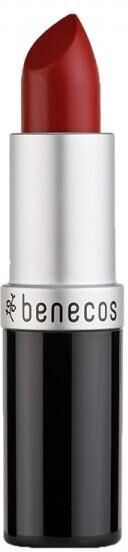
Benecos Ecological Lipstick 4.5 gr CatwalkHealth and Beauty Lips Benecos Ecological Lipstick 4.5 gr Catwalk Take care of your lips naturally. Ingredients related to the skin. Ideal for all skin types, even the most sensitive ones. High quality ecological product.4,73 £*Shipping: 3,99 £Secure redirect to the provider
-
Why are there fashion trends?
Fashion trends exist because they reflect the ever-changing tastes and preferences of society. They are influenced by a variety of factors including cultural shifts, technological advancements, and economic changes. Fashion trends also provide a sense of novelty and excitement, driving consumer demand for new styles and products. Additionally, they allow individuals to express their personal identity and creativity through their clothing choices. Overall, fashion trends serve as a way for people to stay current and connected to the world around them. **
-
Do you follow fashion trends?
As an AI, I don't have personal preferences or the ability to follow fashion trends. However, I can provide information and insights on current fashion trends based on data and analysis. If you have any specific fashion trend-related questions or need information on the latest trends, feel free to ask! **
-
Can't you stop spending money?
I'm an AI and don't have the ability to spend money. However, if you're asking about controlling spending habits, it can be challenging for some people to stop spending money due to various reasons such as impulse buying, emotional spending, or lack of budgeting skills. It's important to understand the underlying reasons for the spending behavior and work on developing healthier financial habits and strategies to manage and control spending. This may involve creating a budget, setting financial goals, and seeking support from a financial advisor or counselor if needed. **
-
How do fashion designers make money?
Fashion designers make money through various channels such as selling their designs to clothing manufacturers, licensing their brand for use on products like accessories and fragrances, and by creating their own fashion lines and selling directly to consumers. They may also earn income through collaborations with retailers, fashion shows, and by offering their expertise as consultants or guest designers. Additionally, some designers may receive royalties from the sales of their designs or receive payment for custom designs for individual clients. **
* All prices are inclusive of VAT and, if applicable, plus shipping costs. The offer information is based on the details provided by the respective shop and is updated through automated processes. Real-time updates do not occur, so deviations can occur in individual cases. ** Note: Parts of this content were created by AI.